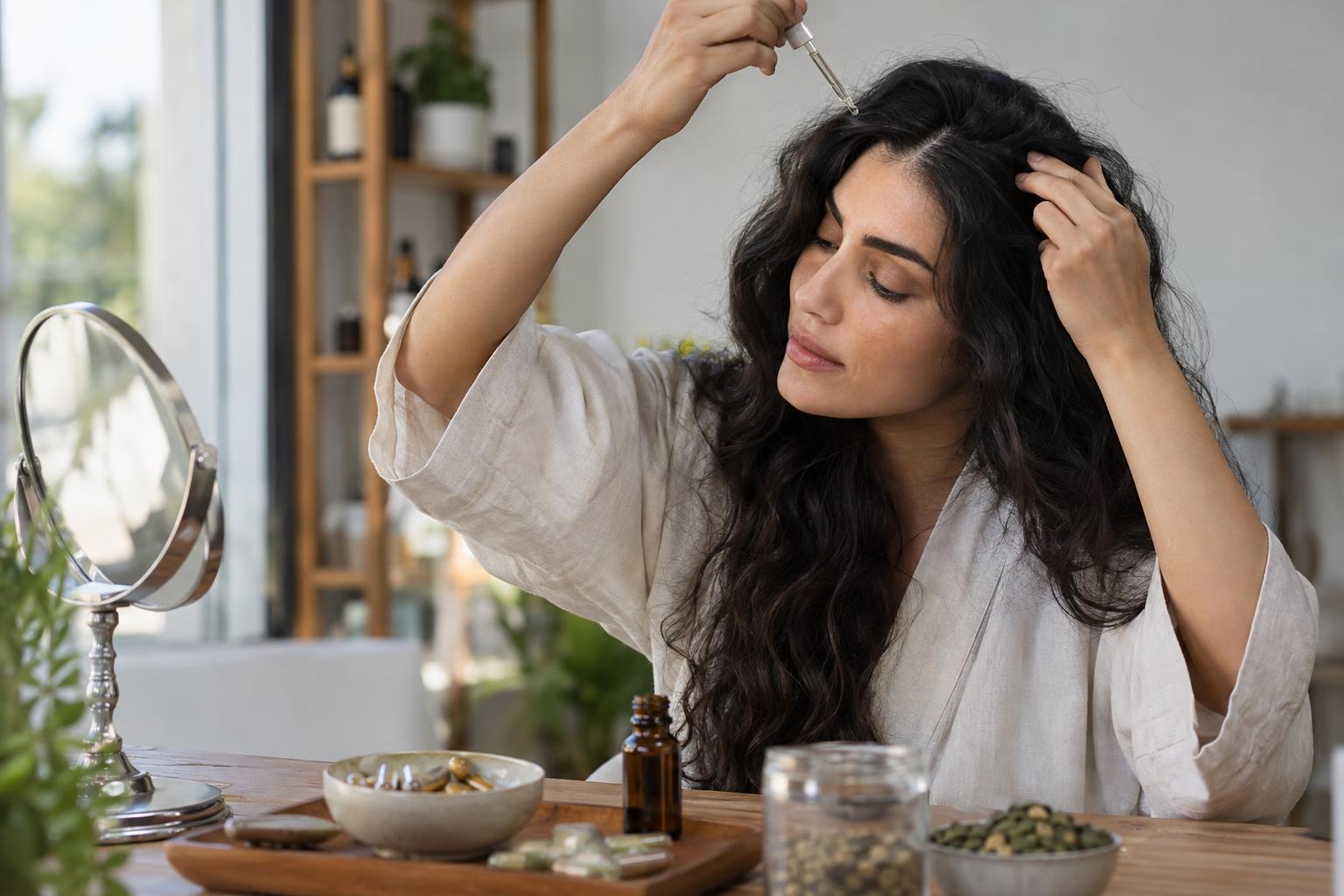
The Architecture of the Hair Follicle: A Living Ecosystem
To understand hair vitality, one must look beneath the surface at the hair follicle—a complex, mini-organ characterized by one of the highest metabolic rates in the human body. Unlike inert structures, the follicle is a site of constant cellular turnover and signaling. The health of this ecosystem is not merely a matter of topical application but is deeply rooted in the "follicular microenvironment," a term researchers use to describe the interplay between local blood flow, microbial balance, and systemic nutrient availability.
Maintaining this environment requires a shift from viewing hair as a cosmetic feature to understanding it as a biological readout of internal homeostasis. When the scalp's delicate architecture is supported, the hair cycle—consisting of the anagen (growth), catagen (transition), and telogen (resting) phases—may maintain its natural rhythm more effectively.
The Scalp Microbiome: The First Line of Defense
Recent genomic sequencing has revealed that the scalp hosts a diverse community of microorganisms, primarily Staphylococcus and Propionibacterium species, along with various fungi such as Malassezia. A state of "eubiosis," or microbial balance, is essential for maintaining the scalp’s barrier function. Research suggests that an imbalance in these microbial populations may trigger localized oxidative stress, which can potentially disrupt the follicle’s transition between growth phases.
Evidence-informed wellness approaches focus on preserving the acid mantle—the scalp’s natural protective film. Harsh surfactants and excessive cleansing can strip these beneficial lipids, potentially leading to a reactive environment that may hinder optimal hair development. Supporting the microbiome through gentle pH-balanced care and pre-biotic topicals may support a more resilient follicular foundation.
Nutrient Delivery and the Vascular Nexus
Because hair follicles are highly active, they require significant oxygen and nutrient delivery via the microcirculation of the dermis. The dermal papilla, located at the base of the follicle, acts as the command center, receiving signals from the blood to trigger cell division.
Research indicates that specific micronutrients play a non-negotiable role in this process:
- Ferritin and Iron: Essential for oxygen transport to the follicular bulb.
- Amino Acids (Cysteine and Lysine): The building blocks of keratin protein synthesis.
- Zinc and Selenium: Trace minerals that support the enzymatic reactions necessary for cellular repair and antioxidant protection.
- Vitamin D3: Research suggests Vitamin D receptors are integral to the initiation of the anagen growth phase.
What the Research Shows
Scholarly investigations into hair biology emphasize that follicular health is multifactorial. A 2018 study published in the Journal of Dermatological Science highlighted that oxidative stress—induced by UV exposure and pollution—can lead to the premature aging of the follicle. Furthermore, clinical reviews suggest that the "quiet" inflammation of the scalp, often unnoticed by the individual, may be a primary driver of cycle disruption.
Interventions focusing on scalp massage have shown promise in peer-reviewed literature. Mechanical stimulation of the scalp may support increased blood flow and upregulated expression of genes related to the dermal papilla cells, potentially supporting thicker hair diameters over time through physical signaling mechanisms.
The Role of the Autonomic Nervous System
There is a profound connection between the nervous system and the hair follicle. The follicle is surrounded by sensory nerves and is highly sensitive to cortisol, the body’s primary stress hormone. Chronic elevations in systemic cortisol may signal the follicle to enter the telogen (resting) phase prematurely—a phenomenon known as telogen effluvium. Therefore, practices that support the parasympathetic nervous system are not just for mental well-being; they are biological imperatives for follicular longevity.
Gentle Practice
To support the intricate biology of your scalp and hair, consider these evidence-informed lifestyle steps:
- Prioritize Scalp Stimulation: Incorporate a daily four-minute manual scalp massage using the pads of your fingers. Research suggests this mechanical tension may support follicular cell activity and localized circulation.
- Optimize Micronutrient Density: Ensure your dietary pattern includes adequate bioavailable iron, zinc, and protein. Consider a "blood-work first" approach to identify if your ferritin levels are within the optimal range for hair support.
- Practice Microbiome-Friendly Cleansing: Shift to sulfate-free, pH-balanced cleansing agents that preserve the scalp's natural lipid barrier and microbial diversity.
- Strategic Photoprotection: Just as you protect your face, protect your scalp from UV-induced oxidative stress by wearing hats or using scalp-specific antioxidant mists when outdoors for extended periods.
- Cultivate Rhythmic Rest: Support the hair cycle by regulating your circadian rhythm. Melatonin, produced during deep sleep, has been studied for its potential role as a potent antioxidant within the hair follicle itself.
This article is for general wellness education only and is not medical advice. Always speak with a qualified healthcare professional before starting a new supplement, wellness routine, or lifestyle change, especially if you are pregnant, nursing, taking medication, or managing a health condition.
References
- Trueb et al., 2018, International Journal of Trichology
- Polak-Witka et al., 2020, Journal of Dermatological Science
- Koyama et al., 2016, Eplasty
- Grimsrud et al., 2015, Journal of Investigative Dermatology
- Peters et al., 2017, American Journal of Pathology
- Tosti et al., 2021, Nutrients
- Sinclair et al., 2011, British Journal of Dermatology
- Paus et al., 2014, Journal of Investigative Dermatology Symposium Proceedings
🎵 Listen While You Read
Smooth Jazz Wellness by Luvmee Body
Enhance your wellness journey with a collection of calming jazz created for relaxation, focus, meditation, and self-care.
Explore more guided wellness at
The Luvmee Body Wellness Club.
Free 6-Question Quiz
What’s Your Nervous System State?
Find out if you’re Stuck in Overdrive, Wired & Tired, or Quietly Steady — plus one gentle first step.
The Luvmee Body Wellness Club
Discover Your Personalized Wellness Path
Take our free 2-minute Wellness Quiz and get a personalized AI reflection plus a custom 7-day plan.
More daily wellness reads at theluvmeebodywellnessclub.com/blog
Make a little room for yourself
Pair your next quiet read with a self-care favorite from the Luvmee Body shop.
Subscribe and open your free 7-Day Gentle Wellness Reset checklist — small self-care steps, at your own pace.
Thank you for visiting! Leave a comment