The Internal Architecture of Communication
Recent advancements in systems biology have illuminated a profound bi-directional communication network known as the gut-brain axis. This complex intersection involves the central nervous system (CNS), the enteric nervous system (ENS), and the trillions of microorganisms residing within the gastrointestinal tract. Rather than existing as isolated systems, the gut and brain are in constant dialogue via the vagus nerve, the immune system, and biochemical signaling molecules.
Research suggests that the gut microbiome functions almost as an auxiliary endocrine organ, producing neurotransmitters such as serotonin and gamma-aminobutyric acid (GABA). In fact, a significant majority of the body’s serotonin—a key regulator of mood and sleep—is synthesized within the gut. This suggests that the composition of our internal landscape may play a pivotal role in our subjective experience of tranquility and cognitive clarity.
The Role of Microbial Diversity in Neurological Health
A hallmark of a resilient biological system is diversity. In the context of the microbiome, a high variety of microbial species is associated with enhanced metabolic flexibility and a robust intestinal barrier. This barrier is critical, as it serves as a gatekeeper, preventing pro-inflammatory markers from entering systemic circulation, where they might otherwise influence neural tissues.
Scholarly perspectives now emphasize that supporting microbiome diversity is not merely about digestive comfort, but about fostering an environment that may support long-term cognitive vitality. When the microbiome is varied, it produces a wealth of short-chain fatty acids (SCFAs) like butyrate, which research suggests may have neuroprotective properties and support the integrity of the blood-brain barrier.
Prebiotics, Probiotics, and The Metabolic Dialogue
To maintain this neural-microbial harmony, the "inputs" we provide our system are paramount. Prebiotics—non-digestible fibers found in specific plant foods—act as the primary fuel source for beneficial microbes. By selectively nourishing these populations, we encourage the production of the metabolites that communicate with the brain.
- Prebiotic Substrates: Foods such as chicory root, leeks, and slightly under-ripe bananas provide inulin and resistant starch, which may support the growth of species like Bifidobacterium.
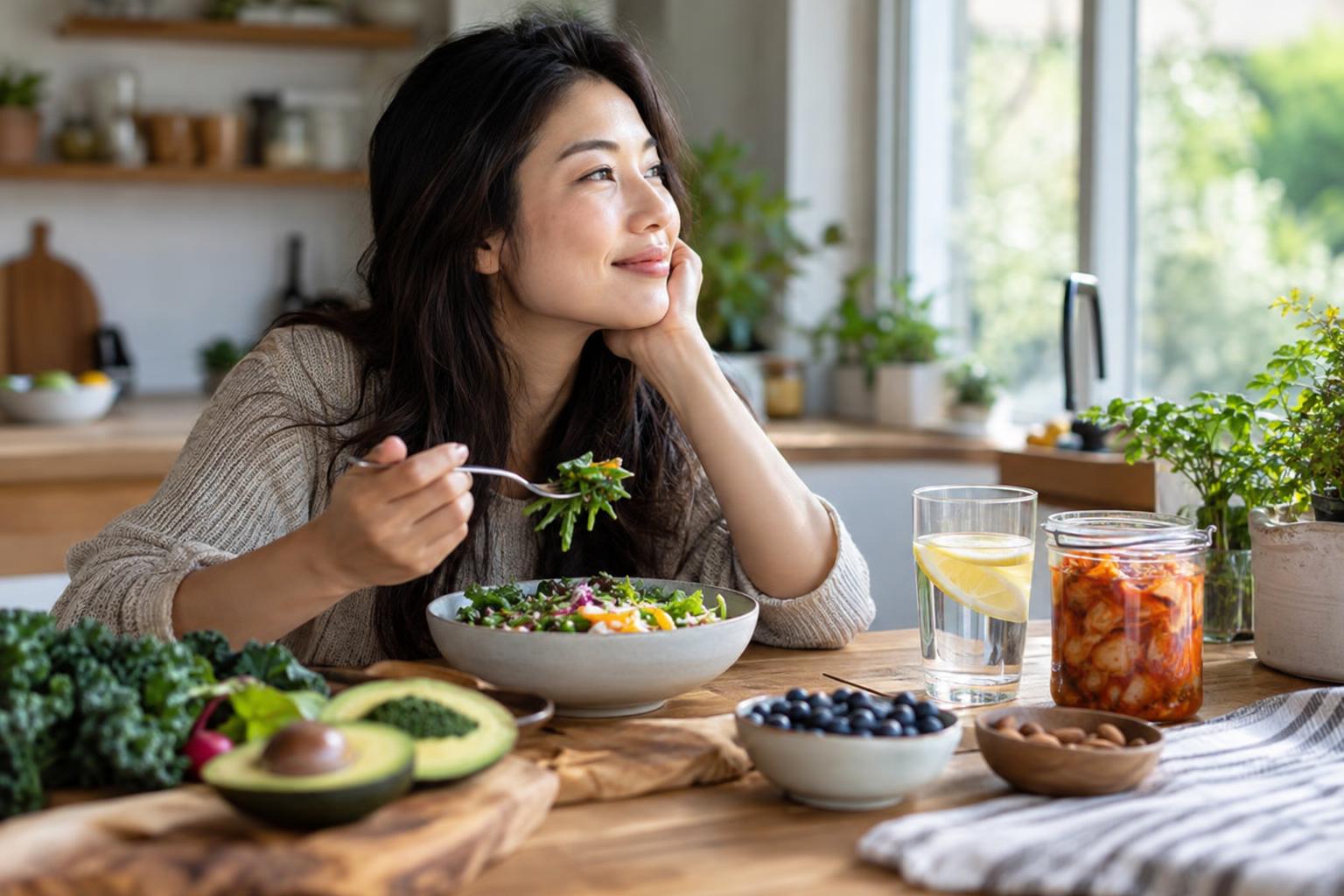
- Probiotic Integration: Introducing live cultures through traditionally prepared foods—such as miso or kefir—can introduce transient beneficial species that interact with the local immune cells in the gut lining.
- Synbiotic Synergy: The combination of both fiber and fermented elements creates a synergistic effect, potentially enhancing the survival and colonization of health-promoting bacteria.
What the Research Shows
Contemporary literature focuses heavily on the "Psychobiotic" revolution. Clinical observations indicate that specific strains of bacteria, when part of a diverse ecosystem, may influence the hypothalamic-pituitary-adrenal (HPA) axis, which governs our physiological response to stress.
Research published in journals such as Nature and Gastroenterology suggests that individuals with a more diverse microbiome often display greater emotional resilience and lower markers of systemic oxidative stress. Furthermore, the vagus nerve acts as a high-speed data cable; studies involving vagal stimulation show how physical signals from the gut can directly modulate brain activity in regions responsible for emotional processing.
The Sustainable Gut-Brain Approach
Cultivating a resilient gut-brain axis is a long-term practice of nourishment rather than a temporary intervention. It involves shifting the focus from "restriction" to "addition"—adding various fiber sources, adding fermented nuances, and adding moments of parasympathetic activation (rest and digest) to allow these biological processes to flourish.
By viewing the gut as the "second brain," we adopt a more holistic paradigm of self-care, recognizing that mental wellness is deeply rooted in our physiological foundations.
Gentle Practice
To support your neuro-microbial health, consider integrating these evidence-informed steps into your daily rhythm:
- Diversify Your Plant Intake: Aim for 20-30 different types of plant-based foods per week (including seeds, herbs, and legumes) to provide a broad spectrum of prebiotic fibers for diverse microbial species.
- Incorporate Gentle Fermentation: Introduce a small serving of traditionally fermented foods, such as unpasteurized sauerkraut or kombucha, to provide your gut with a gentle influx of live cultures.
- Mindful Mastication: Engage in thorough chewing and slow breathing during meals to activate the vagus nerve, ensuring your body is in the optimal state for nutrient absorption and microbial signaling.
- Prioritize Polyphenol-Rich Foods: Enjoy berries, dark chocolate, and green tea; these compounds are metabolized by gut bacteria into molecules that may support cognitive longevity.
This article is for general wellness education only and is not medical advice. Always speak with a qualified healthcare professional before starting a new supplement, wellness routine, or lifestyle change, especially if you are pregnant, nursing, taking medication, or managing a health condition.
References
- Cryan et al., 2019, Physiological Reviews
- Mayer et al., 2015, The Journal of Clinical Investigation
- Berding et al., 2021, Advances in Nutrition
- Foster et al., 2017, International Journal of Neuropsychopharmacology
- Rojo-Modeno et al., 2020, Nutrients
- Dinan & Cryan, 2017, Journal of Psychiatry & Neuroscience
- Valles-Colomer et al., 2019, Nature Microbiology
- Sarkar et al., 2016, Trends in Neurosciences
🎵 Listen While You Read
Smooth Jazz Wellness by Luvmee Body
Enhance your wellness journey with a collection of calming jazz created for relaxation, focus, meditation, and self-care.
Explore more guided wellness at
The Luvmee Body Wellness Club.
Free 6-Question Quiz
What’s Your Nervous System State?
Find out if you’re Stuck in Overdrive, Wired & Tired, or Quietly Steady — plus one gentle first step.
The Luvmee Body Wellness Club
Discover Your Personalized Wellness Path
Take our free 2-minute Wellness Quiz and get a personalized AI reflection plus a custom 7-day plan.
More daily wellness reads at theluvmeebodywellnessclub.com/blog
Make a little room for yourself
Pair your next quiet read with a self-care favorite from the Luvmee Body shop.
Subscribe and open your free 7-Day Gentle Wellness Reset checklist — small self-care steps, at your own pace.
Thank you for visiting! Leave a comment